







India's Refusal to Play in Pakistan: A Brewing Crisis for the 2025 ICC Champions Trophy
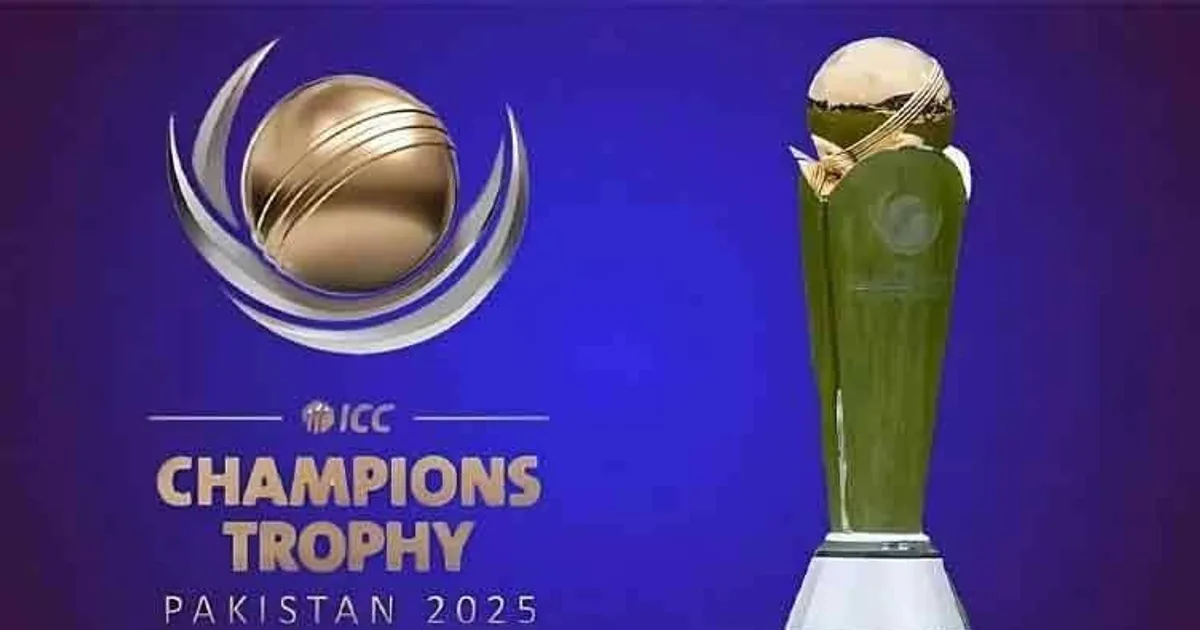
The Pakistan Cricket Board (PCB) has confirmed receiving a formal letter from the Board of Control for Cricket in India (BCCI) detailing India’s decision not to travel to Pakistan for the 2025 ICC Champions Trophy. The letter, forwarded to the PCB by the International Cricket Council (ICC), brings an anticipated but controversial twist to the tournament’s future, pushing the PCB and ICC into a high-stakes situation with limited solutions.
India’s Position and Historical Context
India’s reluctance to play in Pakistan is not new and has been expected by the cricket community due to the deep-rooted tensions and complex diplomatic relationship between the two nations. Although no official BCCI statement preceded this letter, India's stance aligns with its established policies regarding bilateral tours, which are influenced by government directives and concerns over security and diplomatic risks. The BCCI's decision reflects a history of strained relations rooted in broader geopolitical issues, which include not only diplomatic hostilities but multiple wars and intermittent conflicts.
With both countries holding significant sway over the sport, the impasse over playing venues is fraught with political, security, and reputational considerations that go well beyond the cricketing world. The BCCI’s letter highlights India’s unwillingness to participate in a tournament hosted on Pakistani soil, but the lack of an alternative solution could lead to larger disputes within the ICC.
The Hybrid Model: An Inadequate Solution?
In the 2023 Asia Cup, the concept of a "hybrid model" allowed some matches to be played in a neutral venue to accommodate similar political concerns. However, this was seen as a temporary and inadequate solution by both cricket boards. The PCB, under Chairman Mohsin Naqvi, has already voiced firm opposition to revisiting the hybrid model, asserting that the upcoming ICC Champions Trophy deserves a fair and transparent solution rather than a patchwork compromise. Naqvi’s comments make it clear that the PCB’s preference is for Pakistan to host the entire tournament or for an alternative solution that respects the original host designation and Pakistan’s role in global cricket.
Given the high stakes, a hybrid solution could appease the immediate issue, but it also risks setting a precedent that may further deepen the divide between India and Pakistan within the ICC, complicating future international cricket tournaments.
The ICC’s Role and Response
The ICC has been criticized for its seemingly passive approach to this issue. The global body’s failure to anticipate and proactively address this dilemma has left the PCB in a delicate position. An ICC event, scheduled for November 11 to announce the tournament schedule and launch the 100-day countdown to the event, was abruptly canceled, underscoring the uncertainty surrounding the tournament’s organization. Sources within the ICC suggest that the possibility of a relocation has been included in the tournament budget, but the nature and extent of relocation remain unclear.
According to PCB officials, they are actively seeking guidance from the Pakistan government to determine their stance. The decision will likely hinge on government advice, given the broader diplomatic implications and security risks associated with hosting the Indian cricket team.
What’s Next? A Crisis Unfolds
The PCB’s engagement with both the ICC and its government stakeholders will shape the next steps, but potential scenarios vary widely in feasibility and acceptance. Key figures within cricket governance have suggested that the ICC could play a more interventionist role in establishing either a permanent solution or a mediating role between the two boards. Some speculate that this situation could prompt a broader discussion about ICC protocols for tournament hosting and member nation participation in geopolitically sensitive regions.
While the ICC and PCB aim to settle the logistical issues, a refusal to play by India on Pakistani soil, especially for a high-profile event like the Champions Trophy, could have far-reaching consequences. Beyond the 2025 tournament, this standoff has the potential to influence the future scheduling of ICC tournaments, challenging the structure and planning of events in regions impacted by political tensions.
As of now, the situation remains unresolved, and the PCB, guided by Naqvi and other officials, is cautiously weighing its options. Any outcome—whether it involves a compromise, a full relocation, or an alternate hosting arrangement—will inevitably reshape the narrative of international cricket in South Asia. The next few months will reveal whether the ICC can rise to the occasion to ensure a fair and competitive Champions Trophy or whether this looming crisis will mark a further divide in the already complex India-Pakistan cricketing relationship.
More news
 India Announce Strong Squad for England Tour as Bumrah Returns and Kohli Nears Comeback
 Kane Williamson Retires from International Cricket: End of an Era for New Zealand
 ICC Women’s T20 World Cup 2026: India Drawn in ‘Group of Death’, Faces Pakistan and Australia in Key Clashes
 India Crush Afghanistan by an Innings and 300 Runs in Historic Test Victory
 ENG vs NZ 1st Test: Ollie Robinson's Dream Return Leaves New Zealand Reeling in Lord's Test